Research review 2025–2026

Algae and bioretinoids — can algae become a retinol alternative?

Algae has become one of the most talked-about ingredients in cosmetics, and microalgae-derived bioretinoids currently look like the most promising algae-based route to a retinol alternative. Here is what the latest research actually says — and what it means for the red microalgae in our Velvet targeted serum.

The short answer

Algae will not become one new retinol — it is becoming a new ingredient class

Most promising: microalgae bioretinoid

Microalgae-derived bioretinoid (MBR) is the only algae-based active compared clinically and directly with both retinol and bakuchiol.

The strength is tolerability

Retinol works, but can cause dryness, redness and irritation. Algae-based actives are interesting because they pair efficacy with better tolerability.

The evidence is still limited

Retinol retains the broadest clinical evidence. A “natural retinol alternative” is not automatically as well documented.

New research

Microalgae bioretinoid (MBR) — what the study found

The most significant recent publication is “Bioretinoids from microalgae: Boosting retinol performance and tolerability”, first published in the International Journal of Cosmetic Science in September 2025.

The study compared a microalgae-derived bioretinoid (MBR) with both retinol and bakuchiol. In cell models, MBR performed well on cell renewal, melanin reduction and regulation of the skin's extracellular matrix.

In the clinical part it improved skin texture, firmness, elasticity and pigmentation with results the researchers described as comparable to retinol. A combination of MBR with a low dose of retinol also improved hydration and reduced retinol-related irritation.

This is a meaningful difference from ordinary “retinol-like” marketing ingredients. Many current alternatives, such as bakuchiol and various plant extracts, mimic part of retinol's effects indirectly, for example through antioxidant and calming mechanisms. The microalgae bioretinoid was reported to act on the retinoid pathway as well, which is why it is called a biomimetic retinoid alternative.

That does not mean it is chemically retinol, or that it already carries the same weight of evidence as retinol.
Evidence levels

Algae species, molecules and research evidence side by side

Not all algae-based actives are at the same stage. Here is where each one stands today.

IngredientTypeEvidenceRetinol comparisonA retinol replacement?
Microalgae bioretinoid (MBR)MicroalgaeCell models + clinical study (Int. J. Cosmetic Science, 2025)Compared directly with retinol and bakuchiolCurrently the most promising algae-based direction. Researchers reported results comparable to retinol for skin texture, firmness, elasticity and pigmentation, though the evidence base is still limited.
Ecklonia cava extractBrown macroalgaeMechanistic research + randomised clinical study (2026)No direct retinol comparisonImproved skin hydration, elasticity and density. Better described as a multi-action anti-ageing ingredient than as a retinol replacement.
Ulva rigida (sea lettuce)Green macroalgaeMainly laboratory and cell-level evidence (2026)No clinical retinol comparisonAntioxidant compounds plus effects on tyrosinase, melanogenesis and collagen synthesis; the best extraction method increased collagen biosynthesis by roughly 38%. Promising, but still preclinical.
BakuchiolPlant-derived (not algae)More clinical historyMarketed as a retinol alternativeSystematic reviews still rate the overall evidence below retinol. A useful reminder that a “natural retinol alternative” is not automatically as well documented.
RetinolBenchmarkExtensive clinical evidence, incl. a 2025 network meta-analysisStill one of the best documented topical anti-ageing actives. Common drawbacks are dryness, redness, flaking and irritation.

Macroalgae

Ecklonia cava and Ulva rigida — interesting, but a different category

Ecklonia cava (brown algae)

In a randomised clinical study published in May 2026, topical use of Ecklonia cava extract improved skin hydration, elasticity and density, with observed effects on the expression of genes linked to the dermal–epidermal junction. No direct retinol comparison was made, so “multi-action anti-ageing ingredient” is the more accurate description.

Ulva rigida (sea lettuce)

A 2026 publication found antioxidant compounds in green algae extracts along with effects on tyrosinase, melanogenesis and collagen synthesis. The best extraction method increased collagen biosynthesis by roughly 38%. Promising, but still mainly laboratory and cell-level evidence.

Why algae

Efficacy without the typical retinoid drawbacks

Retinol has strong evidence for fine lines, pigmentation and photoageing, but it can cause dryness, redness, flaking and irritation. In a 2025 network meta-analysis retinol was still one of the best documented topical anti-ageing actives, so its position has not been displaced.

Algae-based actives are interesting because of the combination: antioxidant activity, calming effects, collagen support, pigmentation regulation and good tolerability. For microalgae bioretinoids, possible retinoid-pathway activation is added on top.

That is why development is heading towards a new ingredient class rather than a single “new retinol” — one that can yield both retinol alternatives and combinations that improve retinol's performance. In the study, 1% MBR with 0.1% retinol delivered good efficacy while tolerability improved.

Velvet

Where Essential already stands: red microalgae, Porphyridium cruentum

Essential's Velvet targeted serum contains neither microalgae bioretinoid nor retinol. Its key algae ingredient is red microalgae, part of the same emerging marine ingredient class.

Red microalgae (Porphyridium cruentum) is a marine, biotechnologically produced active. Its polysaccharides form an invisible, flexible network on the skin that helps smooth the appearance of fine lines and supports the skin barrier.

In Velvet, the red microalgae extract is complemented by hyaluronic acid, glycerin, vitamin E and nourishing plant oils. The result is a retinol-free targeted serum that also suits skin that finds retinoids too strong.

Biotechnological production also means the ingredient is not harvested from the sea: production is controlled, traceable and Vegan Friendly.

Stated plainly

  • Velvet contains red microalgae extract — not microalgae bioretinoid (MBR).
  • Velvet is retinol-free.
  • Red microalgae works through a smoothing polysaccharide network.
  • We make no retinol-equivalent efficacy claims for Velvet.
  • We follow microalgae bioretinoid research closely.

FAQ

Algae, bioretinoids and retinol

Does algae replace retinol in skincare?

Not yet. Current research points to microalgae-derived bioretinoid (MBR) as the most promising direction, with clinical results described as comparable to retinol for skin texture, firmness, elasticity and pigmentation. The evidence base is still far smaller than retinol's, and algae is not chemically retinol.

What is a bioretinoid?

A bioretinoid is a molecule of biological origin that mimics the effects of retinol on the skin. For the microalgae bioretinoid, researchers also reported activity on the retinoid pathway, which is why it is described as a biomimetic retinoid alternative — unlike many plant extracts that act indirectly.

Why is algae being discussed right now?

The cosmetics industry is looking for ingredients that deliver as many of retinol's benefits as possible without the typical retinoid irritation. Algae-based actives are interesting because they combine antioxidant activity, calming effects, collagen support, pigmentation regulation and good tolerability.

Is microalgae bioretinoid better as a retinol replacement or a booster?

Based on the research it may be commercially more interesting as a retinol booster. A combination of 1% MBR and 0.1% retinol delivered good efficacy while improving tolerability and hydration.

Does Velvet contain microalgae bioretinoid?

No. Velvet's key algae ingredient is red microalgae, Porphyridium cruentum, whose polysaccharides form a flexible network on the skin, smooth the surface and soften the appearance of fine lines. Velvet is retinol-free, which also suits skin that finds retinoids too strong.

Is algae-based skincare suitable for sensitive skin?

Part of the appeal of algae-based actives is their good tolerability. Even so, sensitive skin should always start gradually and patch-test a new product on a small area.

Products

A marine active as part of the routine

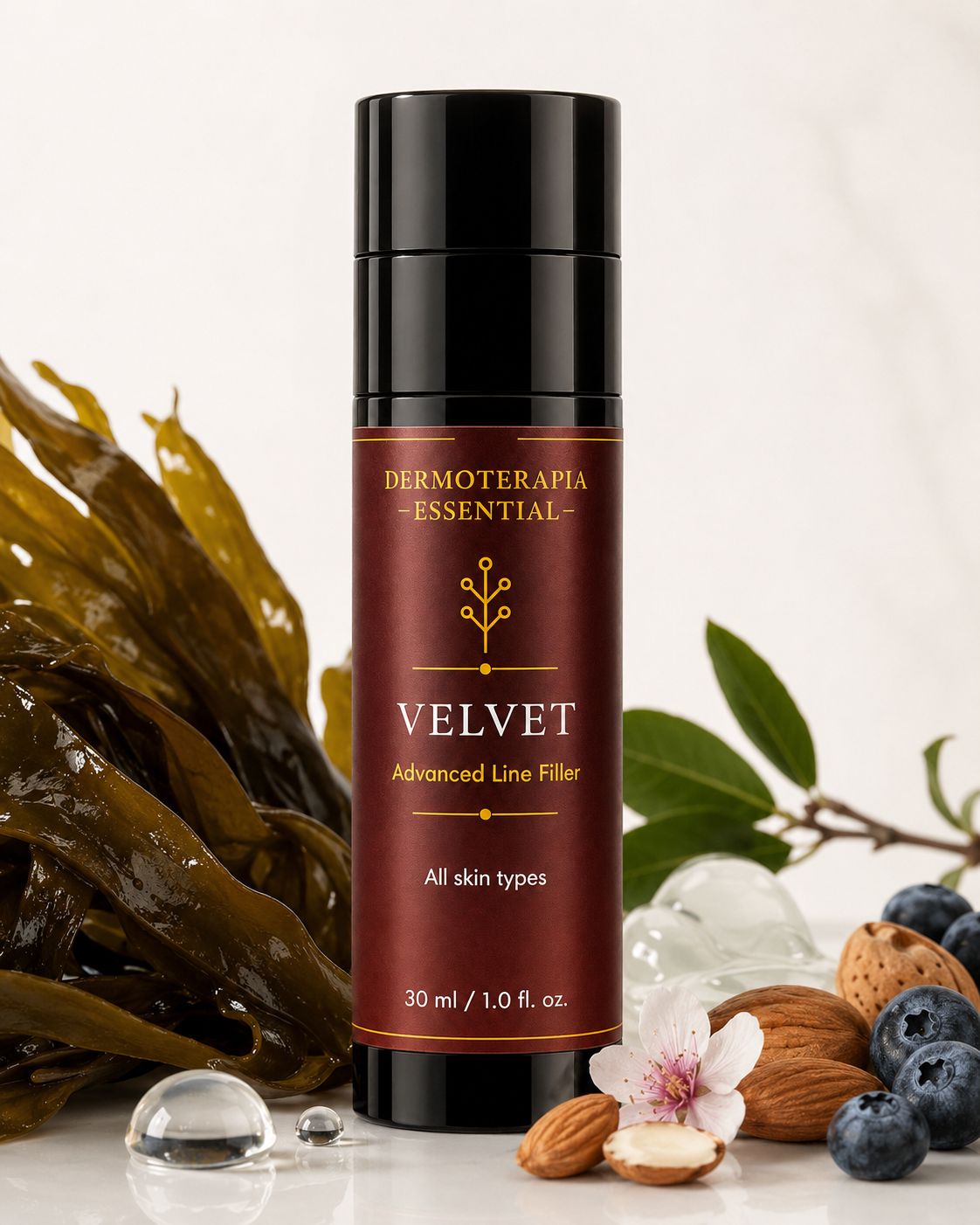
Velvet 30 ml black pump bottle beside red algae, blueberries and almonds

The smoothing power of red microalgae

Velvet 30 ml

A targeted serum that softens the look of fine lines and leaves skin smooth, firmer-feeling and velvety soft. With red microalgae extract, hyaluronic acid, vitamin E and caring plant oils.

69,90 €

Available late September

Read more
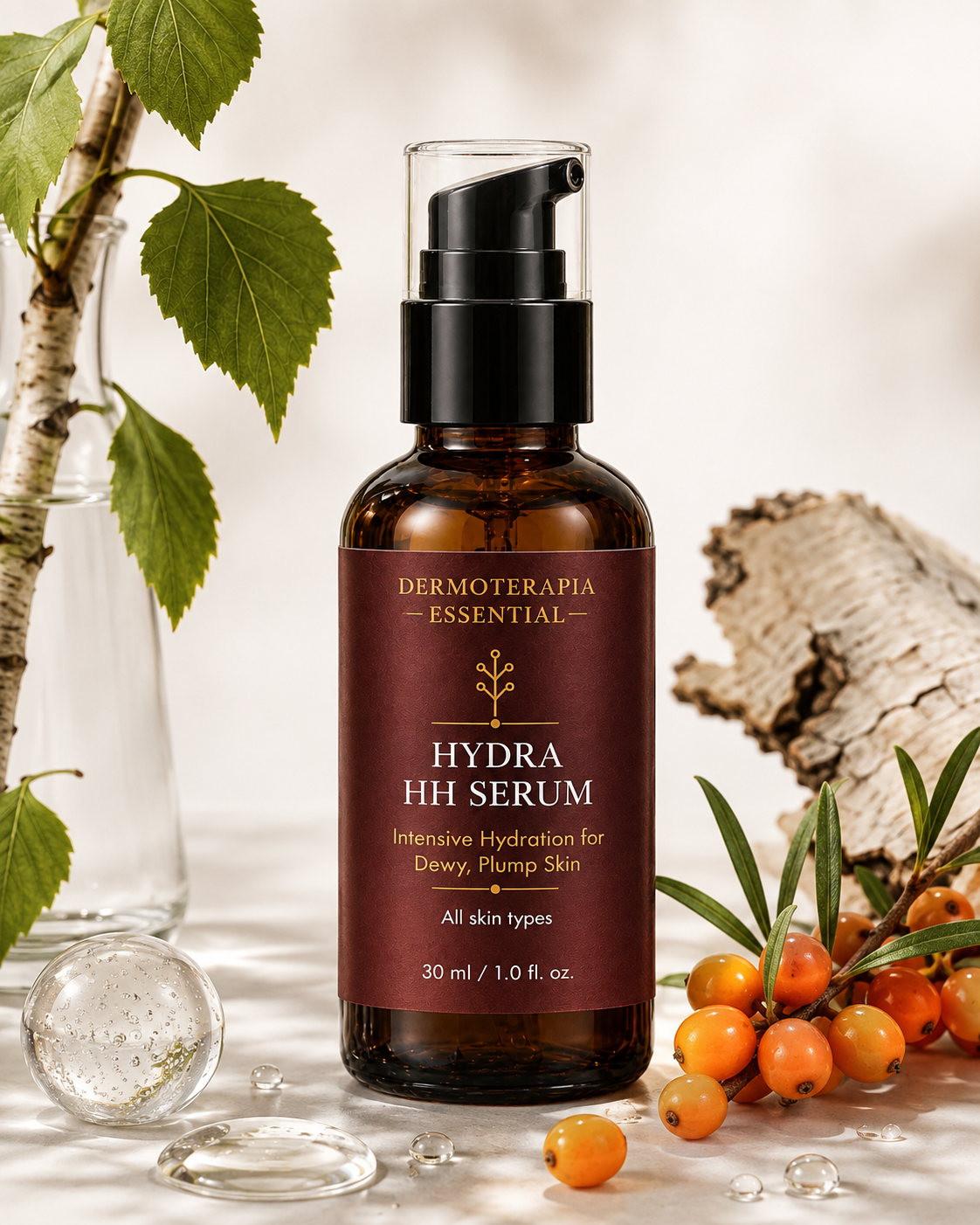
Hydra HH Serum 30 ml amber glass bottle beside a birch twig and sea buckthorn berries

Triple Hyaluronic Acid Serum

Hydra HH Serum 30 ml

A triple-action intensive serum with three different hyaluronic acid molecules that hydrate the skin on several levels and for hours on end. The light, fast-absorbing texture helps smooth surface lines, restores a fresh feeling of moisture and brings natural radiance back to tired skin.

39,90 €

Read more
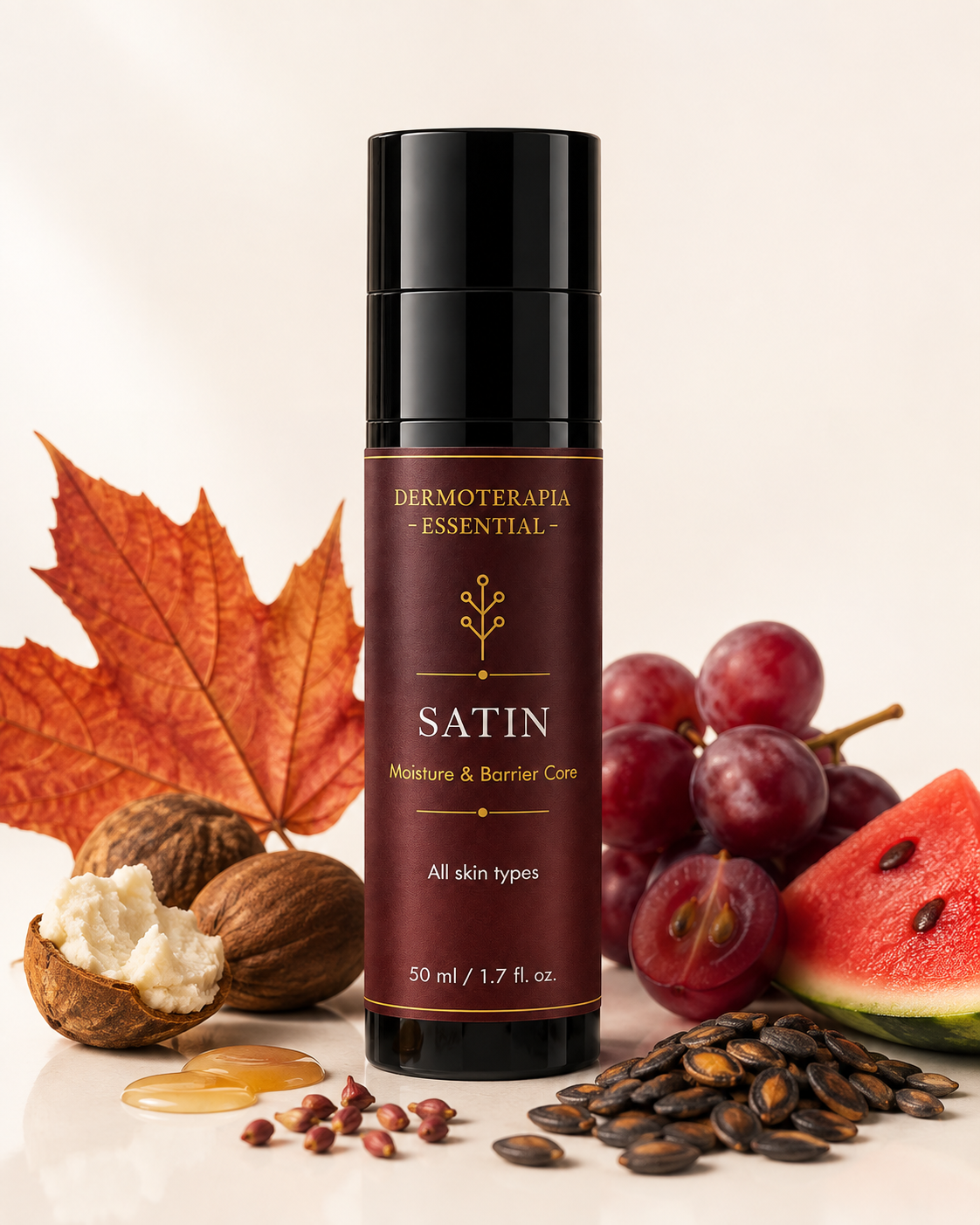
Satin 50 ml black pump bottle beside a maple leaf, grapes and shea butter

Moisture & Barrier Care

Satin 50 ml

A rich yet beautifully absorbing face cream that hydrates, nourishes and supports the skin's natural barrier. Suitable for daily use on all skin types.

59,90 €

Available late September

Read more